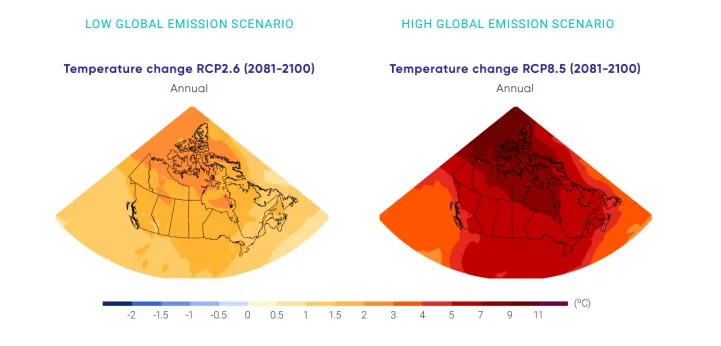
The findings have implications for transportation systems, buildings, agriculture, public health and environmental management. In northern communities, thawing permafrost can affect the stability of roads and structures. Elsewhere, changing precipitation and temperature patterns may influence water availability, growing conditions and the management of wildfire risk. Researchers emphasize that local effects depend on geography, infrastructure and existing environmental conditions. Not every community will experience the same combination of risks, making regional data important for practical planning.
Advertisement
The new report builds on an earlier national assessment released in 2019 and provides updated evidence for future research and adaptation planning. It does not predict that every individual weather event will follow a particular pattern, but it establishes broader long-term trends supported by multiple scientific observations. As governments, researchers and communities assess future environmental challenges, the report offers a detailed reference for understanding the physical changes already taking place across Canada.