Home Culture
Category:

Culture

Advertisement

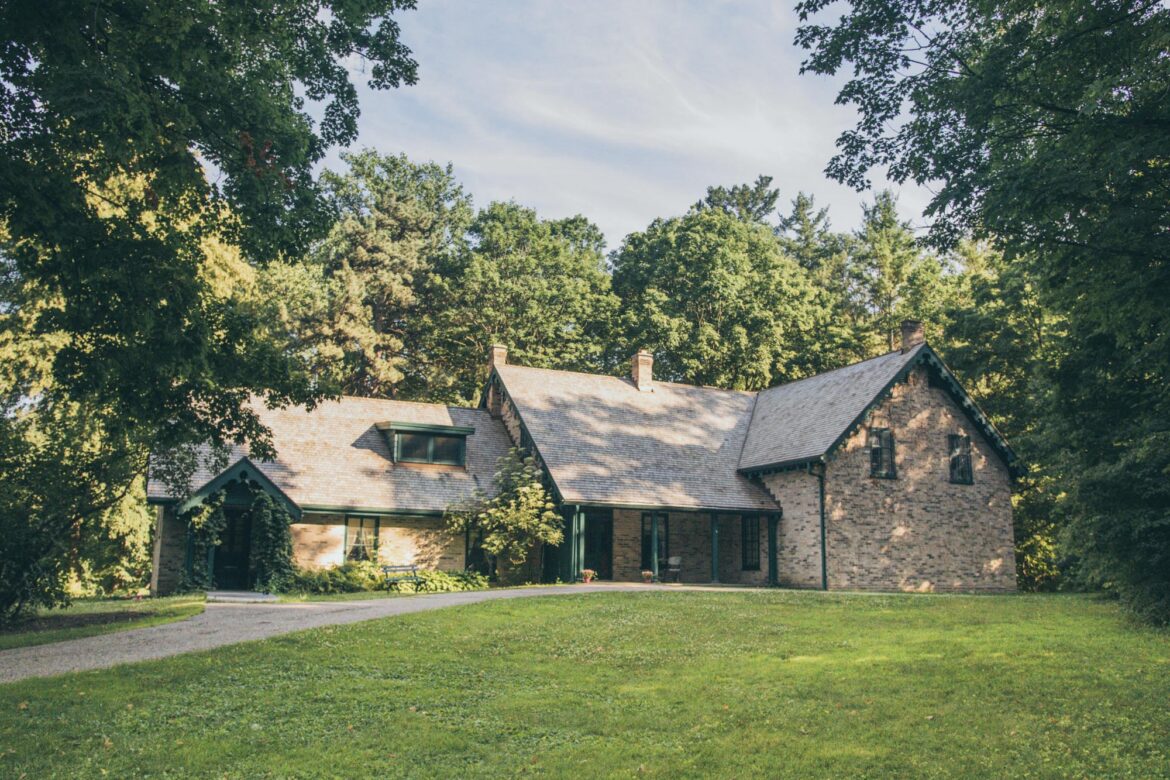
Woodside National Historic Site in Kitchener, Ontario, is preparing to host an Oktoberfest-themed heritage event on October 17, 2026. The program, titled Oktoberfest in Berlin, will take place from 11 a.m. to 4 p.m. and will introduce visitors to aspects of the community’s history through activities at the historic property. The outdoor event will be free to attend, while regular admission charges will apply to visitors entering the historic house. Organized at a location administered by Parks Canada, the event offers an opportunity to consider the relationship between present-day cultural celebrations and the historical development of the city.

Kitchener was known as Berlin until 1916, reflecting the importance of German-speaking settlers in the region’s nineteenth-century development. The city’s name changed during the First World War, a period when public attitudes toward German identity were influenced by international conflict. The history of the community therefore includes both the preservation of cultural traditions and periods of significant social change. Contemporary Oktoberfest celebrations provide one opportunity to explore this heritage, although the city’s identity has continued to evolve through subsequent generations and migration.

Woodside is a designated national historic site associated with the childhood of William Lyon Mackenzie King, who later became Canada’s longest-serving prime minister. The preserved property provides a setting for examining aspects of domestic life and social history in the late nineteenth century. During the October event, visitors will have the opportunity to participate in Victorian-era games on the grounds and explore the historic home. These activities offer an informal introduction to historical subjects while allowing visitors to experience the setting directly.

Pages: 1 2

Advertisement

The Algoma Fall Festival is presenting an expanded program of Indigenous arts and cultural activities in Sault Ste. Marie, Ontario, during October 2026. The initiative, known as Maada’ookiidaa, brings together music, dance, storytelling and visual art through a series of exhibitions and performances. Its name is connected to an Anishinaabe expression meaning “let’s share,” reflecting the program’s emphasis on cultural exchange and the sharing of artistic knowledge. The activities form part of the wider festival calendar and are being developed with guidance from an Indigenous Advisory Group.

One of the exhibitions associated with the program is Shirley, An Indian Residential School Story, presented at the Art Gallery of Algoma from October 8 to 27. The exhibition is based on the book by Shirley Horn and Joanne Robertson and presents the experiences of Shirley Horn, who was separated from her family and placed in a residential school as a young child. Through visual storytelling, the exhibition introduces visitors to a personal account connected to the wider history of residential schools in Canada. Its presentation provides an opportunity to engage with individual experiences rather than approaching this history solely through institutional records.

The wider Maada’ookiidaa program combines contemporary artistic practices with cultural knowledge shared across generations. Music, performance and visual art can communicate different aspects of identity and historical experience, while providing opportunities for artists to present work within their own creative traditions. The initiative’s multidisciplinary format also recognizes that Indigenous cultures are not represented by a single artistic style or historical narrative. Participating artists may approach questions of memory, community and cultural continuity through different forms of expression.

Pages: 1 2

Advertisement

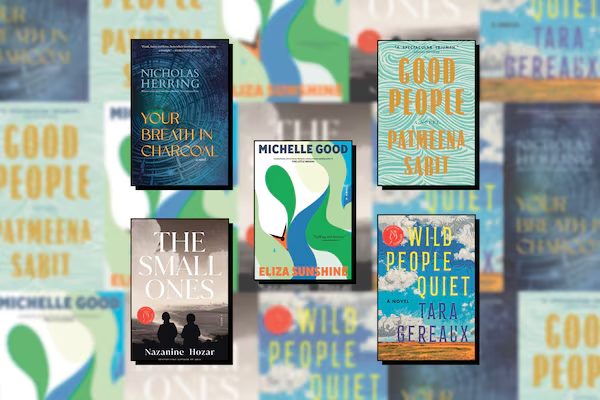
The Giller Prize has announced the five novels shortlisted for its 2026 award, placing a new group of Canadian writers at the centre of the country’s autumn literary season. The shortlist was revealed on October 5, following the announcement of a 14-book longlist in September. This year’s finalists represent different publishing imprints and several Canadian provinces, reflecting the range of voices and literary approaches found in contemporary Canadian fiction. The winner is scheduled to be announced on November 16, 2026.

The shortlisted novels are Wild People Quiet by Tara Gereaux, Eliza Sunshine by Michelle Good, Your Breath in Charcoal by Nicholas Herring, The Small Ones by Nazanine Hozar and Good People by Patmeena Sabit. Together, the selections introduce readers to works developed by authors with different backgrounds and storytelling interests. Literary prizes can bring wider attention to books that may otherwise reach readers primarily through established audiences, independent bookstores and specialist publications.

The 2026 selection process has a distinctive feature: the prize appointed a jury composed entirely of independent Canadian booksellers. Booksellers encounter readers with varied preferences and often play an important role in recommending fiction beyond the most heavily promoted releases. Their participation offers a different professional perspective on literary evaluation, although the final selection remains a matter of judgment within the prize’s established process. The shortlist represents the jury’s choices rather than a definitive ranking of Canadian literature as a whole.

Pages: 1 2

Advertisement

The Cicada Music & Arts Festival returned to Henley Island in St. Catharines, Ontario, on October 2 and 3, 2026, bringing together Canadian musicians, visual artists and local creative businesses. The annual event has developed a reputation for presenting independent music in a setting that combines concerts with regional arts and community activities. This year’s announced lineup included Metric, Bahamas, USS, Wintersleep, The Zolas and Boy Golden, representing a range of musical styles associated with Canada’s contemporary alternative and independent music scenes.

The festival’s programming reflects the diversity of Canadian popular music, from guitar-driven rock to folk-influenced songwriting and electronic experimentation. Featuring artists with different career backgrounds also provides audiences with opportunities to encounter performers they may not usually see on the same bill. For established musicians, regional festivals offer another setting in which to connect with listeners, while developing performers can gain exposure beyond their regular local venues. The format creates connections between audiences, performers and the wider music industry.

Cicada’s identity extends beyond its concert schedule. The organizers incorporate local art, food and a makers market into the festival environment, bringing together different parts of Niagara’s creative economy. Such activities can provide opportunities for independent artists and small businesses to introduce their work to visitors. Cultural festivals may also encourage people to explore surrounding communities, although their economic impact depends on factors such as attendance, visitor spending and the involvement of local suppliers.

Pages: 1 2

Advertisement

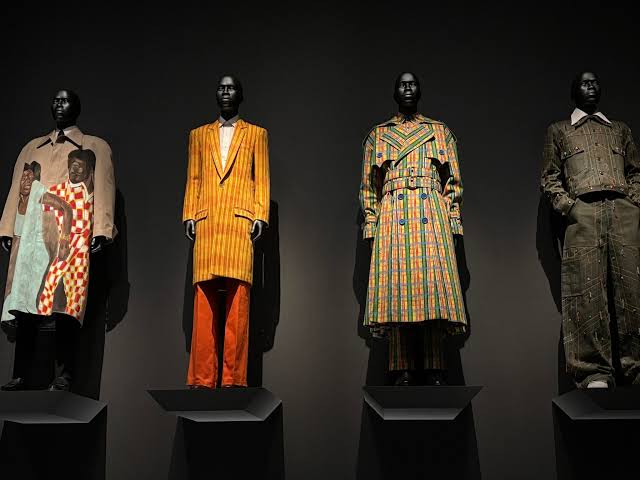
The Art Gallery of Ontario is opening a major exhibition to the general public on October 13, 2026, exploring the relationship between fashion, identity and cultural history. Titled Sunday Best: The Power & The Glory of Black Style, the exhibition examines the development of Black fashion and self-expression from the late nineteenth century to the present day. The presentation brings together more than 50 garments alongside photographs, paintings, accessories and other artistic materials from public and private collections in Canada and abroad.

The exhibition focuses on the ways clothing has functioned as a form of personal expression and community identity across the African diaspora. Its title refers to the tradition of wearing carefully selected clothing for religious services and important social occasions. Over time, such practices became connected to wider questions of dignity, belonging and self-representation. By presenting historical garments alongside contemporary fashion, the exhibition encourages visitors to consider how cultural traditions can develop and acquire new meanings across generations.

The project was developed by an international curatorial team led by Julie Crooks of the Art Gallery of Ontario and Jason Cyrus of the London College of Fashion. The exhibition includes work associated with designers and artists from Canada, the United States, Europe and the Caribbean. Visitors can encounter fashion not simply as a commercial product but also as an artistic medium shaped by migration, social change and individual creativity. The presentation places everyday clothing and high fashion within a broader historical context.

Pages: 1 2

Advertisement

About us

logo

Disclaimer

The information published on this website is provided for general informational purposes only. While we strive to ensure accuracy and keep our content up to date, we cannot guarantee that all information is complete or error-free. Opinions expressed in articles belong to their respective authors and do not necessarily reflect the views of the editorial team. Content may be updated or corrected as new information becomes available.